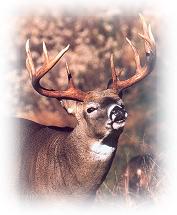
Antler Development and Age
Antler size and the number of points are generally poor indicators of age because there are so many other variables that affect antler growth. Some of those variables are nutrition, sex, area and genetics. Age does have some impact on the size, but not as much as the other factors. Most hunted bucks are seldomly older than 2 to 3 years. The size of the antlers vary at different times of the year as noted below.
Seasonal Antler Development
APRIL: Antler growth originates from small bony projections in front of the deer's ears.
JUNE: The antlers begin to sprout, and are soft and covered with velvet. At this point, the antlers begin the development of tines.
AUGUST: The antlers are almost their full size, but are still very soft and still covered with velvet.
SEPTEMBER: The fully grown antlers begin to harden, and the velvet is immediately shed.
OCTOBER: The antlers are now sharpened and polished from the frequent rubbing on trees and brush.
JANUARY: The antlers drop off as the male hormone levels drop. Sometimes only one antler will drop off, with the other remaining for a while longer. |